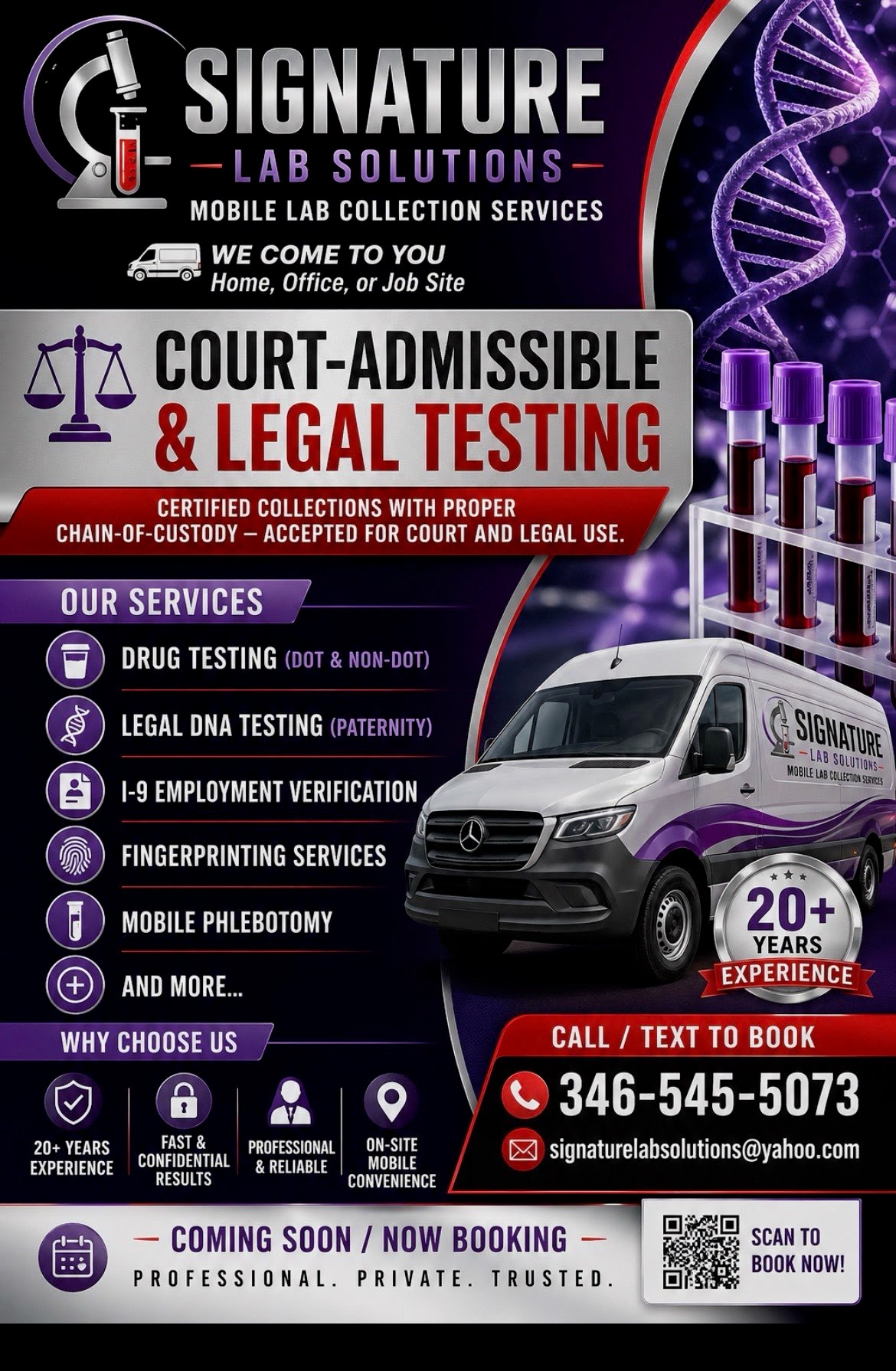
DNA Testing

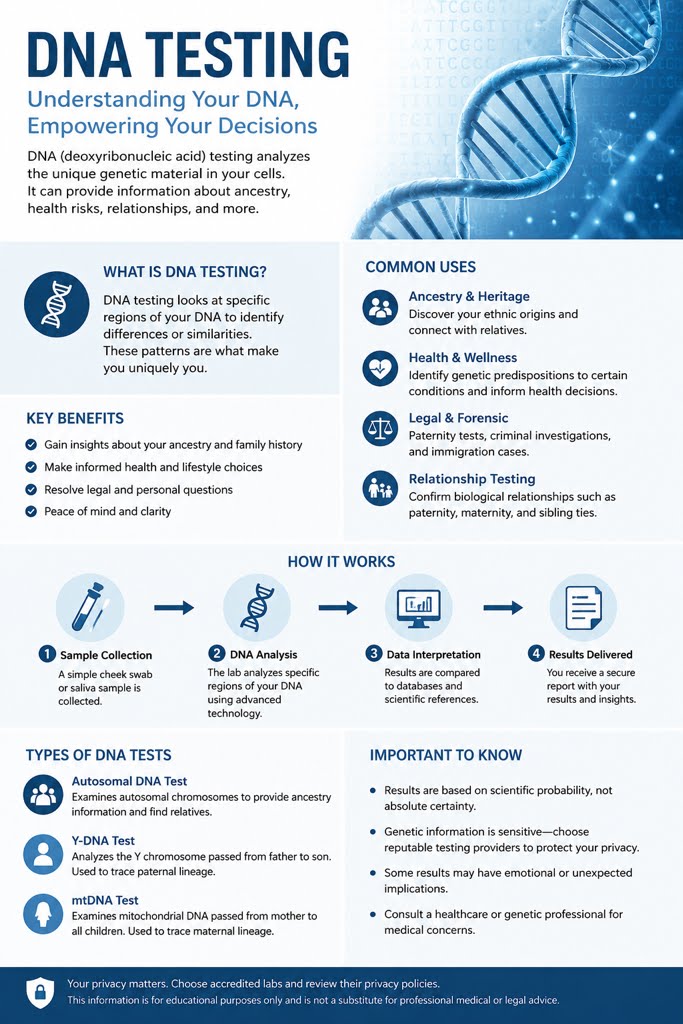
DNA testing analyzes genetic material collected from a person’s cells. It can identify biological relationships, ancestry, inherited traits, and certain health-related information.

Common Sample Types Include

  • Cheek swab
  • Saliva
  • Blood sample
  • Hair with root
  • Nail clippings (specialized testing)

Common Types of DNA Testing

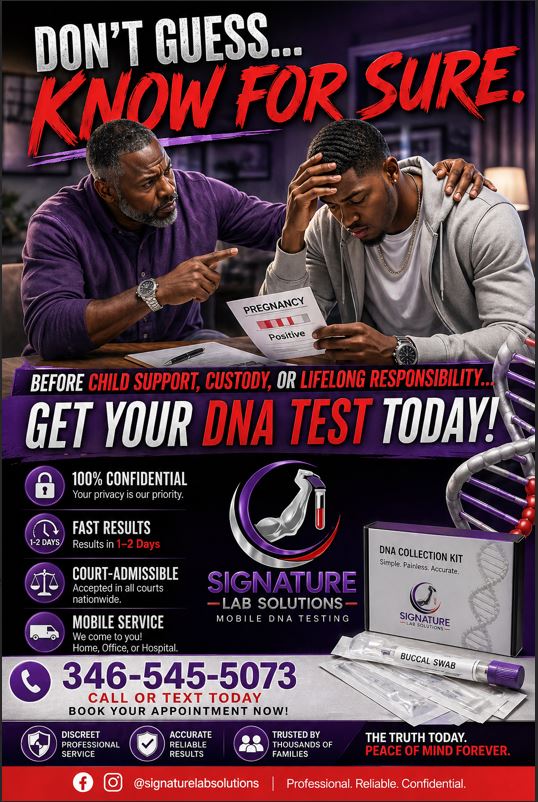
Paternity Testing: Determines whether a man is the biological father of a child.

Maternity Testing: Confirms biological motherhood.

Sibling & Family Relationship Testing:

  • Full or half siblings
  • Grandparent relationships
  • Aunt/uncle relationships

Ancestry DNA Testing: Provides ethnic background and family lineage information.

Legal DNA Testing: Court-admissible testing with strict chain-of-custody procedures.

Prenatal DNA Testing: Determines paternity during pregnancy through blood samples.

How DNA Testing Works

  • Sample collection
  • Laboratory analysis
  • DNA profile comparison
  • Results generated

Turnaround Time

  • 2–5 business days standard
  • Same-day or expedited options available

Reasons People Get DNA Testing

  • Child support cases
  • Immigration purposes
  • Peace of mind
  • Family confirmation
  • Inheritance matters
  • Medical history insight
  • Adoption reunification

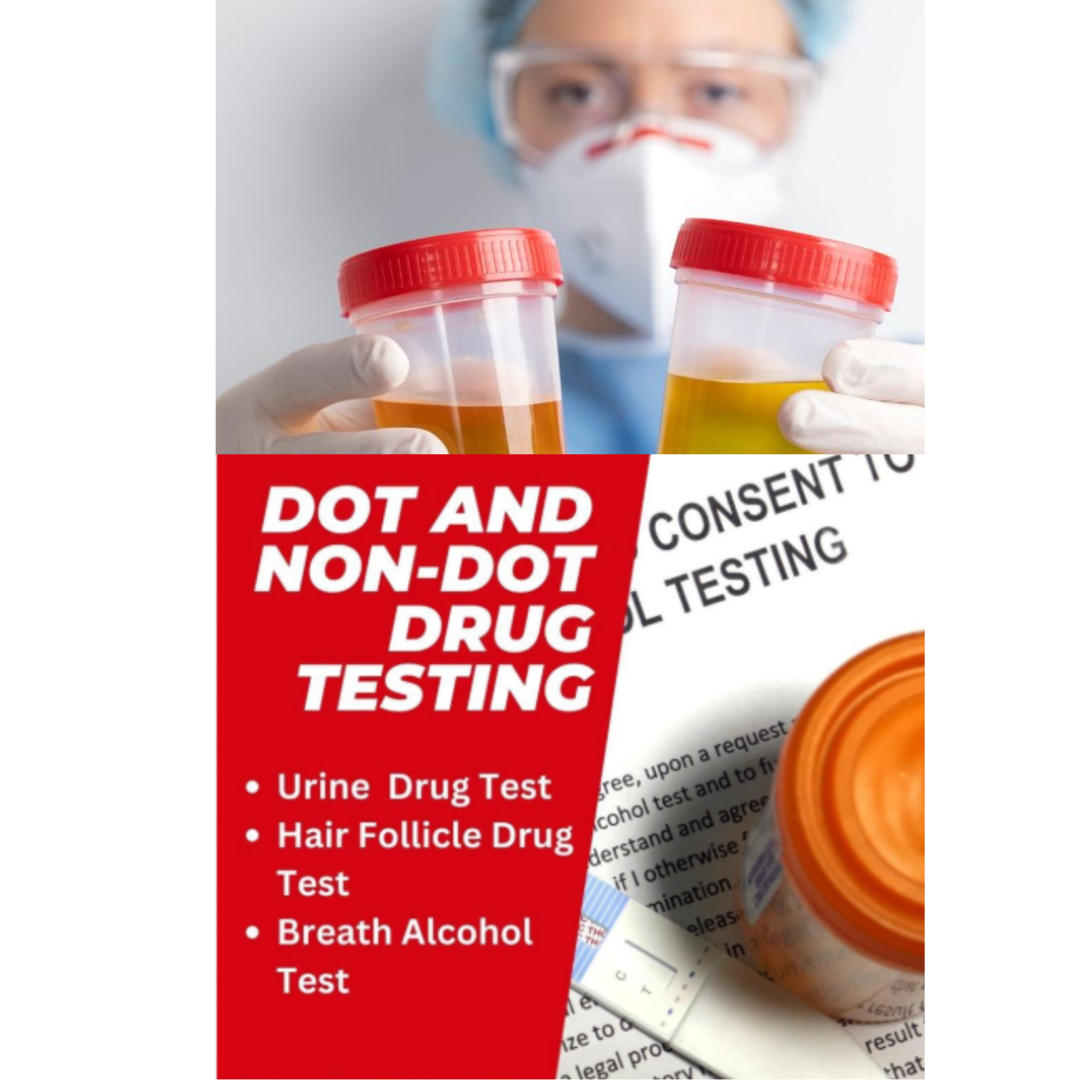
What Is Mobile Drug & Alcohol Screening?

Mobile Drug & Alcohol Screening is a fast, convenient on-site testing service for employers, legal cases, and individuals. Our certified collectors come directly to your location to provide accurate and confidential testing.

Specialized Testing Services

  • AABB-Certified Testing
  • DOT-Compliant Testing
  • Government & Legal Testing

Common Testing Methods

  • Urine Drug Testing
  • Saliva Testing
  • Breath Alcohol Testing
  • Hair Follicle Testing

Turnaround Time

  • Rapid results: Same day
  • Lab confirmation: 24–72 hours

Why Clients Use This Service

  • Pre-employment & workplace testing
  • DOT compliance
  • Court & legal requirements
  • On-site convenience (no travel needed)
Mobile Phlebotomy

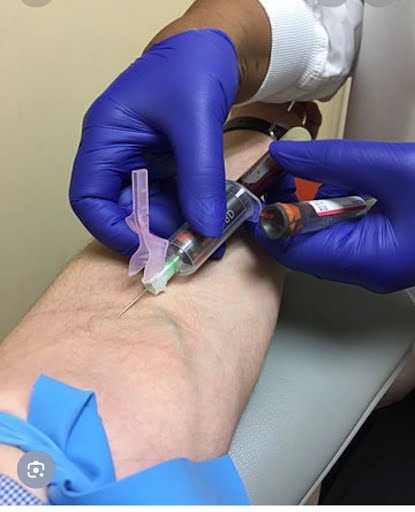
Mobile Phlebotomy is a healthcare service where a trained phlebotomist travels to a patient’s home, office, or other location to collect blood or clinical samples.

Common Services Include

  • Blood sample collection
  • Specimen collection for lab testing
  • Routine health panels
  • Fasting blood work
  • Employer testing
  • Special diagnostic testing

Sample Types Collected

  • Venipuncture blood
  • Finger prick blood
  • Urine samples
  • Swabs

How Mobile Phlebotomy Works

  • Appointment scheduling
  • Technician travels to client
  • ID verification
  • Sample collection
  • Transport to lab

Turnaround Time

  • Same-day or next-day service
  • 10–20 minute visits

Reasons People Use Mobile Phlebotomy

  • Convenience
  • Homebound patients
  • Elderly care
  • Work-from-home testing
  • Privacy
  • No clinic visits needed

Immigration DNA Testing

Used to verify biological relationships for visa, residency, or immigration applications.

Common Samples

  • Cheek swab
  • Saliva
  • Blood (rare)

Types

Parent–Child: Confirms biological relationship

Sibling: Determines shared parentage

Grandparent: Confirms lineage

Aunt/Uncle: Extended family verification

Y-DNA / mtDNA: Deep lineage testing

Process

  • Certified collection site
  • ID verification
  • Chain-of-custody
  • Lab analysis
  • Official report

Turnaround Time

  • 3–5 business days

Reasons

  • Visa applications
  • Family reunification
  • Missing documents
  • Citizenship cases

Gender Reveal Testing

A prenatal DNA test that determines the baby’s biological sex before birth.

Common Samples

  • Maternal blood
  • Fetal DNA in bloodstream
  • At-home kits

Types

NIPT: 6–10 weeks

Standard Testing: Later pregnancy

Mail-in Kits: Home collection

How It Works

  • Blood collection
  • DNA extraction
  • X/Y chromosome detection
  • Results reporting

Turnaround Time

  • 1–5 business days

Reasons

  • Early gender knowledge
  • Baby planning
  • Emotional bonding
  • Curiosity

Legal / Court Testing

Certified testing used for court, legal, and government cases with chain-of-custody.

Common Samples

  • Cheek swab
  • Blood
  • Saliva
  • Urine
  • Hair

Types

Legal DNA: Family cases

Drug Screening: Court-ordered

Forensic Testing: Toxicology

Chain-of-Custody: Legal evidence handling

How It Works

  • ID verification
  • Certified collection
  • Chain-of-custody sealing
  • Lab analysis
  • Legal report

Turnaround Time

  • 2–5 days DNA
  • 24–72 hours drug tests

Reasons

  • Custody cases
  • Immigration
  • Probation
  • Legal disputes
  • Child support

DNA Testing

DNA testing analyzes genetic material collected from a person’s cells. It can identify biological relationships, ancestry, inherited traits, and certain health-related information.

Common Sample Types Include

  • Cheek swab
  • Saliva
  • Blood sample
  • Hair with root
  • Nail clippings (specialized testing)

Common Types of DNA Testing

Paternity Testing: Determines whether a man is the biological father of a child.

Maternity Testing: Confirms biological motherhood.

Sibling & Family Relationship Testing:

  • Full or half siblings
  • Grandparent relationships
  • Aunt/uncle relationships

Ancestry DNA Testing: Provides ethnic background and family lineage information.

Legal DNA Testing: Court-admissible testing with strict chain-of-custody procedures.

Prenatal DNA Testing: Determines paternity during pregnancy through blood samples.

How DNA Testing Works

  • Sample collection
  • Laboratory analysis
  • DNA profile comparison
  • Results generated

Turnaround Time

  • 2–5 business days standard
  • Same-day or expedited options available

Reasons People Get DNA Testing

  • Child support cases
  • Immigration purposes
  • Peace of mind
  • Family confirmation
  • Inheritance matters
  • Medical history insight
  • Adoption reunification

What Is Mobile Drug & Alcohol Screening?

Mobile Drug & Alcohol Screening is a fast, convenient on-site testing service for employers, legal cases, and individuals. Our certified collectors come directly to your location to provide accurate and confidential testing.

Specialized Testing Services

  • AABB-Certified Testing
  • DOT-Compliant Testing
  • Government & Legal Testing

Common Testing Methods

  • Urine Drug Testing
  • Saliva Testing
  • Breath Alcohol Testing
  • Hair Follicle Testing

Turnaround Time

  • Rapid results: Same day
  • Lab confirmation: 24–72 hours

Why Clients Use This Service

  • Pre-employment & workplace testing
  • DOT compliance
  • Court & legal requirements
  • On-site convenience (no travel needed)

Mobile Phlebotomy

Mobile Phlebotomy is a healthcare service where a trained phlebotomist travels to a patient’s home, office, or other location to collect blood or clinical samples.

Common Services Include

  • Blood sample collection
  • Specimen collection for lab testing
  • Routine health panels
  • Fasting blood work
  • Employer testing
  • Special diagnostic testing

Sample Types Collected

  • Venipuncture blood
  • Finger prick blood
  • Urine samples
  • Swabs

How Mobile Phlebotomy Works

  • Appointment scheduling
  • Technician travels to client
  • ID verification
  • Sample collection
  • Transport to lab

Turnaround Time

  • Same-day or next-day service
  • 10–20 minute visits

Reasons People Use Mobile Phlebotomy

  • Convenience
  • Homebound patients
  • Elderly care
  • Work-from-home testing
  • Privacy
  • No clinic visits needed

Immigration DNA Testing

Used to verify biological relationships for visa, residency, or immigration applications.

Common Samples

  • Cheek swab
  • Saliva
  • Blood (rare)

Types

Parent–Child: Confirms biological relationship

Sibling: Determines shared parentage

Grandparent: Confirms lineage

Aunt/Uncle: Extended family verification

Y-DNA / mtDNA: Deep lineage testing

Process

  • Certified collection site
  • ID verification
  • Chain-of-custody
  • Lab analysis
  • Official report

Turnaround Time

  • 3–5 business days

Reasons

  • Visa applications
  • Family reunification
  • Missing documents
  • Citizenship cases

Gender Reveal Testing

A prenatal DNA test that determines the baby’s biological sex before birth.

Common Samples

  • Maternal blood
  • Fetal DNA in bloodstream
  • At-home kits

Types

NIPT: 6–10 weeks

Standard Testing: Later pregnancy

Mail-in Kits: Home collection

How It Works

  • Blood collection
  • DNA extraction
  • X/Y chromosome detection
  • Results reporting

Turnaround Time

  • 1–5 business days

Reasons

  • Early gender knowledge
  • Baby planning
  • Emotional bonding
  • Curiosity

Legal / Court Testing

Certified testing used for court, legal, and government cases with chain-of-custody.

Common Samples

  • Cheek swab
  • Blood
  • Saliva
  • Urine
  • Hair

Types

Legal DNA: Family cases

Drug Screening: Court-ordered

Forensic Testing: Toxicology

Chain-of-Custody: Legal evidence handling

How It Works

  • ID verification
  • Certified collection
  • Chain-of-custody sealing
  • Lab analysis
  • Legal report

Turnaround Time

  • 2–5 days DNA
  • 24–72 hours drug tests

Reasons

  • Custody cases
  • Immigration
  • Probation
  • Legal disputes
  • Child support

DNA Testing

DNA testing analyzes genetic material collected from a person’s cells. It can identify biological relationships, ancestry, inherited traits, and certain health-related information.

Common Sample Types Include

  • Cheek swab
  • Saliva
  • Blood sample
  • Hair with root
  • Nail clippings (specialized testing)

Common Types of DNA Testing

Paternity Testing: Determines whether a man is the biological father of a child.

Maternity Testing: Confirms biological motherhood.

Sibling & Family Relationship Testing:

  • Full or half siblings
  • Grandparent relationships
  • Aunt/uncle relationships

Ancestry DNA Testing: Provides ethnic background and family lineage information.

Legal DNA Testing: Court-admissible testing with strict chain-of-custody procedures.

Prenatal DNA Testing: Determines paternity during pregnancy through blood samples.

How DNA Testing Works

  • Sample collection
  • Laboratory analysis
  • DNA profile comparison
  • Results generated

Turnaround Time

  • 2–5 business days standard
  • Same-day or expedited options available

Reasons People Get DNA Testing

  • Child support cases
  • Immigration purposes
  • Peace of mind
  • Family confirmation
  • Inheritance matters
  • Medical history insight
  • Adoption reunification

What Is Mobile Drug & Alcohol Screening?

Mobile Drug & Alcohol Screening is a fast, convenient on-site testing service for employers, legal cases, and individuals. Our certified collectors come directly to your location to provide accurate and confidential testing.

Specialized Testing Services

  • AABB-Certified Testing
  • DOT-Compliant Testing
  • Government & Legal Testing

Common Testing Methods

  • Urine Drug Testing
  • Saliva Testing
  • Breath Alcohol Testing
  • Hair Follicle Testing

Turnaround Time

  • Rapid results: Same day
  • Lab confirmation: 24–72 hours

Why Clients Use This Service

  • Pre-employment & workplace testing
  • DOT compliance
  • Court & legal requirements
  • On-site convenience (no travel needed)

Mobile Phlebotomy

Mobile Phlebotomy is a healthcare service where a trained phlebotomist travels to a patient’s home, office, or other location to collect blood or clinical samples.

Common Services Include

  • Blood sample collection
  • Specimen collection for lab testing
  • Routine health panels
  • Fasting blood work
  • Employer testing
  • Special diagnostic testing

Sample Types Collected

  • Venipuncture blood
  • Finger prick blood
  • Urine samples
  • Swabs

How Mobile Phlebotomy Works

  • Appointment scheduling
  • Technician travels to client
  • ID verification
  • Sample collection
  • Transport to lab

Turnaround Time

  • Same-day or next-day service
  • 10–20 minute visits

Reasons People Use Mobile Phlebotomy

  • Convenience
  • Homebound patients
  • Elderly care
  • Work-from-home testing
  • Privacy
  • No clinic visits needed

Immigration DNA Testing

Used to verify biological relationships for visa, residency, or immigration applications.

Common Samples

  • Cheek swab
  • Saliva
  • Blood (rare)

Types

Parent–Child: Confirms biological relationship

Sibling: Determines shared parentage

Grandparent: Confirms lineage

Aunt/Uncle: Extended family verification

Y-DNA / mtDNA: Deep lineage testing

Process

  • Certified collection site
  • ID verification
  • Chain-of-custody
  • Lab analysis
  • Official report

Turnaround Time

  • 3–5 business days

Reasons

  • Visa applications
  • Family reunification
  • Missing documents
  • Citizenship cases

Gender Reveal Testing

A prenatal DNA test that determines the baby’s biological sex before birth.

Common Samples

  • Maternal blood
  • Fetal DNA in bloodstream
  • At-home kits

Types

NIPT: 6–10 weeks

Standard Testing: Later pregnancy

Mail-in Kits: Home collection

How It Works

  • Blood collection
  • DNA extraction
  • X/Y chromosome detection
  • Results reporting

Turnaround Time

  • 1–5 business days

Reasons

  • Early gender knowledge
  • Baby planning
  • Emotional bonding
  • Curiosity

Legal / Court Testing

Certified testing used for court, legal, and government cases with chain-of-custody.

Common Samples

  • Cheek swab
  • Blood
  • Saliva
  • Urine
  • Hair

Types

Legal DNA: Family cases

Drug Screening: Court-ordered

Forensic Testing: Toxicology

Chain-of-Custody: Legal evidence handling

How It Works

  • ID verification
  • Certified collection
  • Chain-of-custody sealing
  • Lab analysis
  • Legal report

Turnaround Time

  • 2–5 days DNA
  • 24–72 hours drug tests

Reasons

  • Custody cases
  • Immigration
  • Probation
  • Legal disputes
  • Child support

DNA Testing

DNA testing analyzes genetic material collected from a person’s cells. It can identify biological relationships, ancestry, inherited traits, and certain health-related information.

Common Sample Types Include

  • Cheek swab
  • Saliva
  • Blood sample
  • Hair with root
  • Nail clippings (specialized testing)

Common Types of DNA Testing

Paternity Testing: Determines whether a man is the biological father of a child.

Maternity Testing: Confirms biological motherhood.

Sibling & Family Relationship Testing:

  • Full or half siblings
  • Grandparent relationships
  • Aunt/uncle relationships

Ancestry DNA Testing: Provides ethnic background and family lineage information.

Legal DNA Testing: Court-admissible testing with strict chain-of-custody procedures.

Prenatal DNA Testing: Determines paternity during pregnancy through blood samples.

How DNA Testing Works

  • Sample collection
  • Laboratory analysis
  • DNA profile comparison
  • Results generated

Turnaround Time

  • 2–5 business days standard
  • Same-day or expedited options available

Reasons People Get DNA Testing

  • Child support cases
  • Immigration purposes
  • Peace of mind
  • Family confirmation
  • Inheritance matters
  • Medical history insight
  • Adoption reunification
Drug Screening Service

Drug Screening

Professional laboratory and on-site testing used to detect prescription medications and illegal substances.

We provide comprehensive on-site testing for employers, legal needs, and individuals. From rapid urine drug screens to saliva testing, our certified collectors ensure accuracy and speed without you ever needing to leave your site.

Testing Services

  • AABB Testing
  • DOT Testing
  • Government (GOV) Testing

Common Sample Types

  • Urine sample
  • Blood sample
  • Saliva testing
  • Hair sample
  • Sweat patch

Turnaround Time

  • 24–72 hours
  • 2–5 business days confirmation

Mobile Phlebotomy

Mobile Phlebotomy is a healthcare service where a trained phlebotomist travels to a patient’s home, office, or other location to collect blood or clinical samples.

Common Services Include

  • Blood sample collection
  • Specimen collection for lab testing
  • Routine health panels
  • Fasting blood work
  • Employer testing
  • Special diagnostic testing

Sample Types Collected

  • Venipuncture blood
  • Finger prick blood
  • Urine samples
  • Swabs

How Mobile Phlebotomy Works

  • Appointment scheduling
  • Technician travels to client
  • ID verification
  • Sample collection
  • Transport to lab

Turnaround Time

  • Same-day or next-day service
  • 10–20 minute visits

Reasons People Use Mobile Phlebotomy

  • Convenience
  • Homebound patients
  • Elderly care
  • Work-from-home testing
  • Privacy
  • No clinic visits needed

Immigration DNA Testing

Used to verify biological relationships for visa, residency, or immigration applications.

Common Samples

  • Cheek swab
  • Saliva
  • Blood (rare)

Types

Parent–Child: Confirms biological relationship

Sibling: Determines shared parentage

Grandparent: Confirms lineage

Aunt/Uncle: Extended family verification

Y-DNA / mtDNA: Deep lineage testing

Process

  • Certified collection site
  • ID verification
  • Chain-of-custody
  • Lab analysis
  • Official report

Turnaround Time

  • 3–5 business days

Reasons

  • Visa applications
  • Family reunification
  • Missing documents
  • Citizenship cases

Gender Reveal Testing

A prenatal DNA test that determines the baby’s biological sex before birth.

Common Samples

  • Maternal blood
  • Fetal DNA in bloodstream
  • At-home kits

Types

NIPT: 6–10 weeks

Standard Testing: Later pregnancy

Mail-in Kits: Home collection

How It Works

  • Blood collection
  • DNA extraction
  • X/Y chromosome detection
  • Results reporting

Turnaround Time

  • 1–5 business days

Reasons

  • Early gender knowledge
  • Baby planning
  • Emotional bonding
  • Curiosity

Legal / Court Testing

Certified testing used for court, legal, and government cases with chain-of-custody.

Common Samples

  • Cheek swab
  • Blood
  • Saliva
  • Urine
  • Hair

Types

Legal DNA: Family cases

Drug Screening: Court-ordered

Forensic Testing: Toxicology

Chain-of-Custody: Legal evidence handling

How It Works

  • ID verification
  • Certified collection
  • Chain-of-custody sealing
  • Lab analysis
  • Legal report

Turnaround Time

  • 2–5 days DNA
  • 24–72 hours drug tests

Reasons

  • Custody cases
  • Immigration
  • Probation
  • Legal disputes
  • Child support
DNA Testing

DNA Testing

DNA testing analyzes genetic material collected from a person’s cells. It can identify biological relationships, ancestry, inherited traits, and certain health-related information.

Common Sample Types Include

  • Cheek swab
  • Saliva
  • Blood sample
  • Hair with root
  • Nail clippings (specialized testing)

Common Types of DNA Testing

Paternity Testing: Determines whether a man is the biological father of a child.

Maternity Testing: Confirms biological motherhood.

Sibling & Family Relationship Testing:

  • Full or half siblings
  • Grandparent relationships
  • Aunt/uncle relationships

Ancestry DNA Testing: Provides ethnic background and family lineage information.

Legal DNA Testing: Court-admissible testing with strict chain-of-custody procedures.

Prenatal DNA Testing: Determines paternity during pregnancy through blood samples.

How DNA Testing Works

  • Sample collection
  • Laboratory analysis
  • DNA profile comparison
  • Results generated

Turnaround Time

  • 2–5 business days standard
  • Same-day or expedited options available

Reasons People Get DNA Testing

  • Child support cases
  • Immigration purposes
  • Peace of mind
  • Family confirmation
  • Inheritance matters
  • Medical history insight
  • Adoption reunification
Drug and Alcohol Screening

What Is Mobile Drug & Alcohol Screening?

Mobile Drug & Alcohol Screening is a fast, convenient on-site testing service for employers, legal cases, and individuals. Our certified collectors come directly to your location to provide accurate and confidential testing.

Specialized Testing Services

  • AABB-Certified Testing
  • DOT-Compliant Testing
  • Government & Legal Testing

Common Testing Methods

  • Urine Drug Testing
  • Saliva Testing
  • Breath Alcohol Testing
  • Hair Follicle Testing

Turnaround Time

  • Rapid results: Same day
  • Lab confirmation: 24–72 hours

Why Clients Use This Service

  • Pre-employment & workplace testing
  • DOT compliance
  • Court & legal requirements
  • On-site convenience (no travel needed)
Mobile Phlebotomy

Mobile Phlebotomy

Mobile Phlebotomy is a healthcare service where a trained phlebotomist travels to a patient’s home, office, or other location to collect blood or clinical samples.

Common Services Include

  • Blood sample collection
  • Specimen collection for lab testing
  • Routine health panels
  • Fasting blood work
  • Employer testing
  • Special diagnostic testing

Sample Types Collected

  • Venipuncture blood
  • Finger prick blood
  • Urine samples
  • Swabs

How Mobile Phlebotomy Works

  • Appointment scheduling
  • Technician travels to client
  • ID verification
  • Sample collection
  • Transport to lab

Turnaround Time

  • Same-day or next-day service
  • 10–20 minute visits

Reasons People Use Mobile Phlebotomy

  • Convenience
  • Homebound patients
  • Elderly care
  • Work-from-home testing
  • Privacy
  • No clinic visits needed
Immigration DNA Testing

Immigration DNA Testing

Used to verify biological relationships for visa, residency, or immigration applications.

Common Samples

  • Cheek swab
  • Saliva
  • Blood (rare)

Types

Parent–Child: Confirms biological relationship

Sibling: Determines shared parentage

Grandparent: Confirms lineage

Aunt/Uncle: Extended family verification

Y-DNA / mtDNA: Deep lineage testing

Process

  • Certified collection site
  • ID verification
  • Chain-of-custody
  • Lab analysis
  • Official report

Turnaround Time

  • 3–5 business days

Reasons

  • Visa applications
  • Family reunification
  • Missing documents
  • Citizenship cases
Gender Reveal Testing

Gender Reveal Testing

A prenatal DNA test that determines the baby’s biological sex before birth.

Common Samples

  • Maternal blood
  • F
Image

Integrity

Honesty and transparency.

Image

Innovation

Fresh, creative solutions.

Excellence

Excellence

Top-notch services.

© 2026 Signature Lab Solutions. Accurate. Professional. Confidential Powered by biziebiz.com